May 1, 2026
A car accident can leave behind more than visible dents, scratches, and cracked parts. Even when a vehicle still runs after a crash, hidden damage may affect how it handles, how well its safety systems respond, and how much it is worth when you decide to sell or trade it in. That is why professional repairs matter after any collision, whether the damage seems minor or severe.
There are approximately 6 million car collisions in this country every year, according to the Centers for Disease Control and Prevention (CDC). With so many drivers dealing with accident damage, it is important to understand how the repair process protects both people and property. A quality repair does more than improve the way a vehicle looks. It helps restore structure, performance, safety features, and resale value. In this article, we will look at how collision repair can restore your car's safety and value.
Restores the Vehicle's Structural Integrity
A vehicle's frame and structural components are designed to absorb and redirect force during a crash. When those parts are damaged, the car may not protect passengers the same way in another accident. Even a low-speed impact can affect crumple zones, frame alignment, door openings, bumper supports, and other important areas that help the vehicle respond properly during a collision.
Professional technicians inspect the structure to find damage that may not be obvious from the outside. They may use measuring systems, frame equipment, and manufacturer repair information to bring the vehicle back to proper specifications. This step is important because small alignment issues can create larger problems with handling, tire wear, and crash protection.
Restoring structural integrity is one of the most important parts of collision repair. If the foundation of the vehicle is not corrected, cosmetic improvements alone will not solve the problem. A car that looks repaired but still has hidden frame damage may be unsafe, uncomfortable to drive, and less valuable.
Repairs Damage That May Be Hidden
After an accident, some damage is easy to see. A cracked bumper, bent fender, broken headlight, or scratched paint can clearly show where the impact happened. However, many problems are hidden behind panels, under the vehicle, or inside electronic systems. Drivers may not notice these issues right away, especially if the car still starts and drives.
Hidden damage can include bent brackets, damaged sensors, broken clips, weakened supports, leaking fluids, or misaligned components. Modern vehicles also rely on cameras, radar sensors, wiring, and computer-controlled systems that may be affected by impact. If these parts are ignored, the vehicle may develop problems later or fail to perform as expected.
A complete repair process includes inspection, diagnosis, disassembly when needed, and careful review of affected parts. Technicians can identify damage beyond the surface and address it before the vehicle is returned to the road. This helps prevent future repairs, safety concerns, and unexpected expenses.
Rebuilds Proper Vehicle Alignment
Alignment is often discussed in relation to tires, but after an accident, it can affect much more than tread wear. A collision can shift suspension parts, steering components, wheels, axles, and structural points. When a vehicle is not aligned correctly, it may pull to one side, vibrate, handle poorly, or feel unstable at higher speeds.
Proper alignment supports safe driving because it helps the tires maintain correct contact with the road. It also protects suspension components from unnecessary stress. If the vehicle is driven for too long with accident-related alignment issues, the cost of repairs may increase because tires and related parts can wear out faster.
During collision repair, technicians may inspect the suspension and steering systems to make sure the vehicle tracks correctly. They can repair or replace damaged parts before completing an alignment. This helps restore the way the car drives and gives the owner more confidence behind the wheel.
Protects Advanced Safety Features
Today's vehicles often include advanced safety technologies such as lane departure warnings, blind spot monitoring, automatic emergency braking, parking sensors, adaptive cruise control, backup cameras, and airbag systems. These features depend on sensors, cameras, calibration, wiring, and proper placement. A collision can affect these systems even when the damage looks minor.
For example, a bumper impact may move or damage a sensor used for driver assistance features. A windshield replacement may require camera calibration. A side impact may affect blind spot monitoring. If these systems are not checked and recalibrated, they may provide inaccurate warnings or fail to respond when needed.
A quality repair process considers the full vehicle, not just the damaged panel. Technicians must know how to inspect and restore safety systems according to the manufacturer's procedures. This is especially important as cars continue to rely more heavily on electronic safety technology.
Improves the Car's Appearance
A vehicle's appearance matters for pride of ownership and resale value. Dents, scratches, mismatched paint, cracked trim, and damaged panels can make a car look neglected, even if it runs well. After an accident, many drivers want their vehicle to look like it did before the damage occurred.
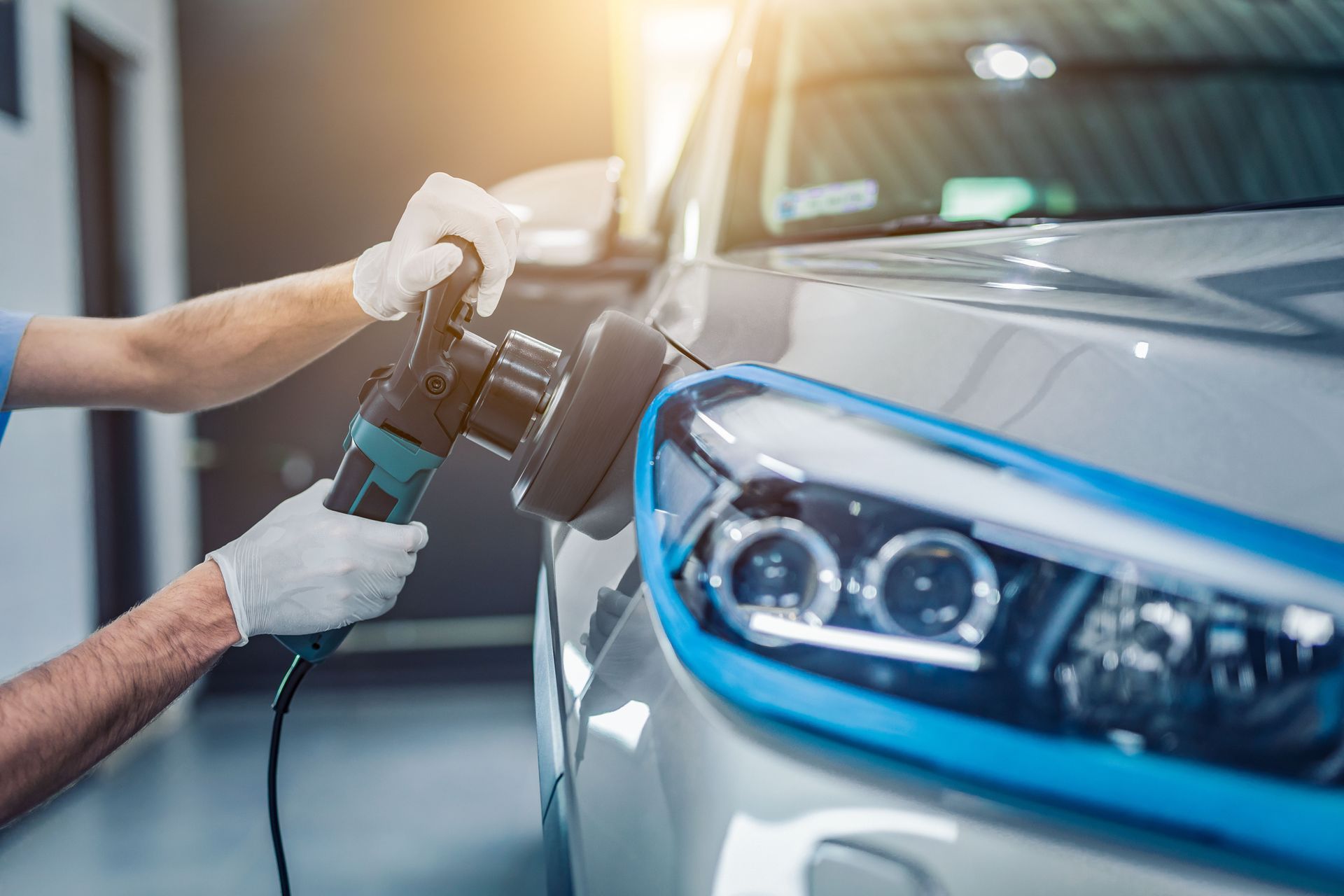
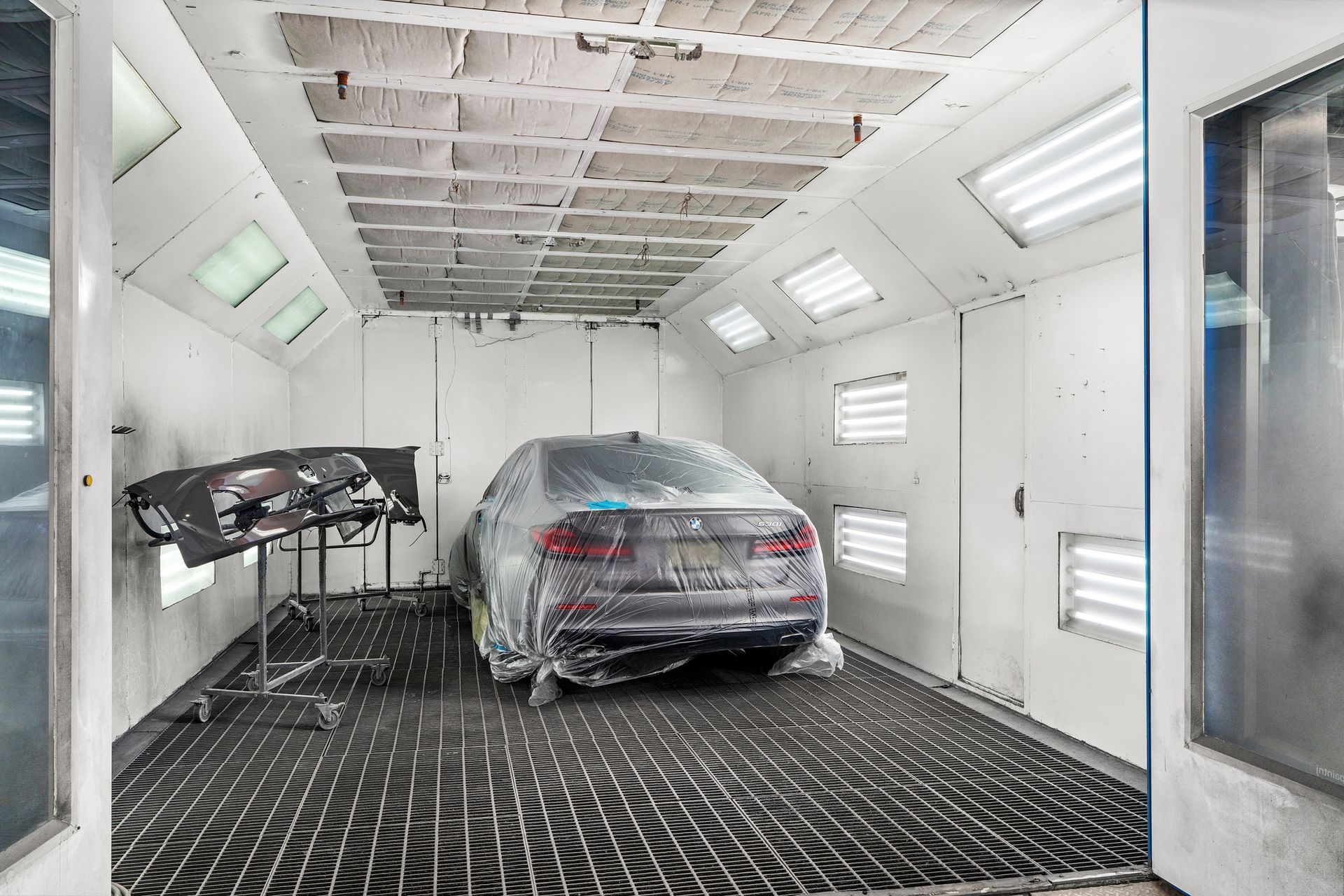
Professional repair shops use bodywork, paint matching, panel replacement, refinishing, and polishing to restore the exterior. Paint matching is especially important because even a slight difference in color can stand out. A skilled shop can blend paint properly so that repaired areas look natural beside the original finish.
Appearance is not only cosmetic. Damaged paint can expose metal to moisture, which may lead to rust. Loose panels can create noise, water intrusion, or further deterioration. Restoring the exterior helps protect the vehicle from future damage while also improving how it looks on the road.
Helps Preserve Resale and Trade-In Value
A damaged vehicle can lose value quickly, especially if repairs are incomplete or poorly done. Buyers and dealerships often look closely at a car's history, condition, paint quality, panel gaps, and overall appearance. If accident damage is obvious, the vehicle may receive a lower offer or become harder to sell.
Professional collision repair helps protect value by restoring the vehicle as closely as possible to its pre-accident condition. Quality documentation can also help show that the work was done properly. Receipts, repair records, and details about replaced parts may give future buyers more confidence.
Value is affected by both visible and mechanical conditions. A car with uneven panels, warning lights, poor alignment, or lingering damage may raise concerns. A properly repaired vehicle gives owners a better chance of receiving a fair trade-in or resale price.
Reduces the Risk of Long-Term Problems
Some drivers delay repairs after a minor accident because the vehicle seems drivable. While this may feel like a way to save money, it can create long-term issues. Small problems can grow over time, especially if damaged parts affect surrounding components.
For example, a cracked bumper cover may hide damaged reinforcement. A small paint chip may spread into rust. A misaligned panel may allow water to enter the vehicle. A bent suspension part may cause uneven tire wear. These problems can become more expensive if they are not addressed early.
Timely repairs help stop damage from spreading. They also give technicians the chance to find related problems before they affect performance, safety, or value. Taking care of repairs promptly can be one of the smartest ways to protect a vehicle after an accident.
If your car has been damaged in a collision, do not wait for small problems to become larger concerns. Contact Pride Paint & Bodywerks today to schedule an inspection, review your options, and get the professional repairs your vehicle needs.